Run · the operating job
You built the engine. Let's put it to work.
Run is the operating phase for a system you have already built, delivered in two-week sprints. I run it on real results, tune what the numbers show, and keep your decisions true as you grow. Optional, and you can stop any cycle.
The shift
A built system does nothing until you run it.
The build gets the applause, because you can see it. But a system only pays you back when someone works it every week. I have watched good ones sit idle: the numbers stop getting read, the decisions slide out of date, the new inflow a converting business creates goes unworked, and a quarter later you are back in every deal, firefighting the way you did before the build. The engine is still there. It just stopped earning. That is the job Run does with you, turning the new inflow into more, not more chaos.
Run
A four-week cycle that runs your commercial system on real results, with an owner managing the execution. Worked in two-week sprints. Cancel any cycle.
What you get
- A sprint owner, on your sideThe operator who ran a marketplace through €1.5bn and took a venture from almost no deals to one in three, running your execution. A weekly working call, plus async I answer the same day.
- Performance monitoring on your goalsWe watch how buyers and users actually behave against your goals, on the metrics your build put in place, and clear the one blockage slowing the buying or using journey.
- The accountability to grow into the roleRunning a converting business is a new job. You get the coaching and the accountability to grow into it, so the operator role becomes yours, not mine.
- Content help, and the changes madeSpecific content help, and the moves themselves made directly in the repo you own: the decisions and the pages kept true as the numbers move.
4-week cyclescancel any cycleyou own it
Each 4-week cycle is two two-week sprints. In each sprint: a loading call, the moves made directly in your repo, real conversations reviewed, and a review call with a written log of what changed.
Run covers the commercial system: decisions, copy, content, structure, in your repo. Engineering, design, and hosting stay with your team or a partner.
Inside a sprint
How a two-week sprint runs.
Run is delivered in two-week sprints, booked as a pair (a four-week cycle). This is how we manage your strategy execution, day by day, the same loop every sprint, so the rhythm and the expectations are clear.
LoadSprintRunReview
Before the sprint · your side
Set the goal
You bring the result you want this sprint to move. One goal, not ten.
Before the sprint · my side
Pull the signals
I pull the numbers and the behavior since last sprint, so we start on evidence, not opinion.
Week 1 · load, then sprint
Mon
Loading call · 45 min
We read the signals, set the sprint goal, and pick the few moves worth making.
Tue
Sprint
I make the moves in your repo: the decisions and the pages the results point to.
Wed
Sprint
Content help, and the accountability work to grow you into the operator role.
Thu
Sprint
The changes land in your repo, ready to go live.
Fri
Run · live
The changes go into the market. We start watching how buyers and users behave.
Week 2 · run, then review
Mon
Run
We observe behavior: the signals on the buying journey and the using journey.
Tue
Run
We measure performance against the goal, and see what is working and what is stuck.
Wed
Adjust
We flag the decisions that need a revision, and I make the fixes in your repo.
Thu
Conversation review
We review a real client conversation and clear the bottleneck slowing the deal.
Fri
Sprint review · 45 min
What moved, what we learned, and the goal for the next sprint.
Your sideMy side
Two calls a sprint, the moves made in your repo, and a written review every sprint. A pair of sprints is one four-week cycle.
Show the work
We run it, measure it, and adjust it in the open.
Decisions do not stay right forever. The market moves, a decision erodes, a new question shows up that the build never answered. Running the system means catching that, and doing it where you can see it. Two things carry it.
01
The cycle changelog (running timeline)
02
One real sprint-log sheet
The result: a regular cycle that keeps your decisions true as the market moves, all in the repo you own.
The honest alternatives
You have other ways to run it. Here is when each one fits.
The system is yours. Running it is a real job, and there is more than one way to cover it. Here is the honest read.
Hire someone full-time
Good for
The right end state, once the volume is there and the role is full.
The limit
A salaried hire is a big fixed cost, and right after the build you may not have the volume to justify one yet. Too early is expensive.
Run it yourself
Good for
You own it and you can. Everything lives in your repo.
The limit
What keeps a system producing is someone outside the founder whose one job is to work it every week. Left to you, it slides under the next fire.
Run
When it fits
Right-sized: a sprint owner whose only job is to keep the engine producing, on your numbers, while you grow into the role.
The catch
It is a paid cycle, and it is optional. Keep it while it is worth more than it costs, stop the moment it is not.
Receipts
When the system is built, and kept running
A look at what the engine does once it is working.
Our homepage did not match our pitch deck. Our pitch deck did not match what sales was saying. Thorsten rebuilt everything: deck, sales brief, product sandbox, all aligned. Now prospects understand in the first minutes. Our qualification is faster, our pipeline is cleaner.
 Thea d.V.Commercial Lead, Fugro VirGeo
We were running two positioning bets. Did not even know it. Thorsten showed us which one wins and committed us to it. Prospects stopped asking which problem we solve. Calls move faster. We get to yes or no in half the time.
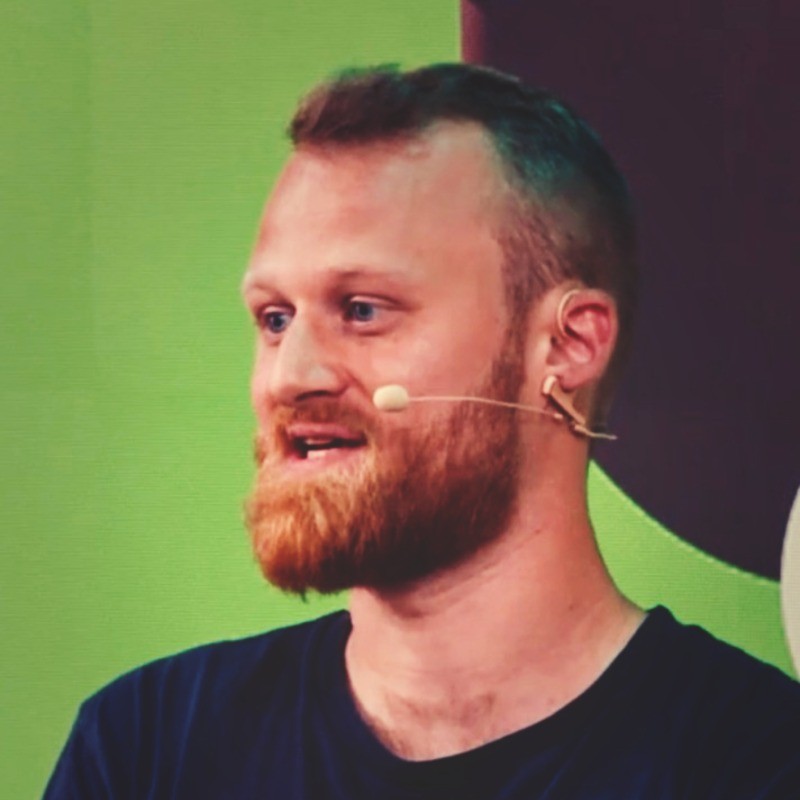 Pascal F.Founder & CEO, Senf
Straight answers
How is a sprint structured?
Run is delivered in two-week sprints, booked as a pair, a four-week cycle. Each sprint loads a goal, makes the moves in your repo, runs them live, and reviews what happened. You can stop at the end of any cycle.
Is this a retainer?
No. It is a cycle you can stop at the end of, and you own everything with or without it. No minimum, no notice period.
Could I just do this myself?
Yes. It all lives in your repo, and each sprint hands more of the role to you. The reason founders keep Run is not that they cannot, it is that a system keeps producing when someone outside the founder works it every week. Run is that person.
Is it advice, or do you actually do the work?
Both, and the work comes first. I make the changes in your repo and monitor the numbers; the coaching and accountability sit on top of that, to grow you into running it. Not advice from the sideline.
What if I want something new built?
That is a Build sprint, not Run. Run runs and tunes what is already built. Building a new page or a new part of the system is a separate, one-off sprint.
What does it cost, and how is it billed?
€3,000 per four-week cycle (two sprints), invoiced per cycle. Cancel any cycle.
When you are ready
Put it to work.
A short conversation, no pitch. We set up the first sprint only if it is worth it, and you can stop whenever it is not.
Recover one deal a stale page would have lost, and the cycle has paid for itself. Every week the engine runs unattended, it earns less than it could.
You own it with or without me. Keep me on because it is worth it, never because you are stuck.
Not built yet? The build lives here: the Sprints → Know a founder who could use this? The free read is the easiest thing to hand them: send them a read →