For founders
I ran a marketplace that moved 1.5 billion euros. And I could not grow my own customers.
If that sounds wrong to you, good. It sounded wrong to me too, while I was living it. Founder to founder: here is the whole story, and how meeting me now saves you the years it cost me.
Free. A real person reads it, back in a couple of working days. No call.
Before any of this
I had the career, the confidence, the methodology. None of the reality.
I did not come to this green. Business consultant, then strategy director. A good corporate run, and I had the things that usually carry you: confidence, a real read on people, a knack for solving hard problems. So when it was time to do something big, I loaded up on the tools too: lean startup, the business model canvas, a trip to Silicon Valley, the d-school at Stanford, executive innovation studies at St. Gallen. Rooms full of innovators and corporate venture managers. It felt like a movement, and the advice was real.
The real thing was different, and I had no idea. Still inside Covestro, I built the product and ran a first live auction. I invited the management board in to watch it happen. Nothing happened.
The second time we came prepared. We quietly asked a few customers to place bids, so the room would see it working. It looked great. A live auction, then silence, until we bid it up ourselves to prove it worked. That is the whole trap in one memory: activity that looks like demand.
It was enough that the CEO backed spinning it out into a company of its own. So I raised the money and did.
Where I have been
I raised twenty million to build the Amazon of chemicals.
In 2016 I pitched it for a year and raised around twenty million euros. I moved to Amsterdam, built a team of fifty, and ran one and a half billion euros of transaction value through the platform. I built those fifty on self-organization, holacracy in practice: who owns what and who decides what were part of the system, not something we argued out in every meeting. By every measure I was supposed to have made it.
It was successful. It also did not scale the way we planned. There was friction with the investors. They pulled out and asked me to close the business. My attempts to buy it out and run it myself failed, which in hindsight is good.
Here is the part nobody puts on a slide. I had to close it down and let go of the fifty people we were. I cried. I was close to burnout, stuck in months of politics and infighting. The growth gets celebrated. The closing up gets left off.
What I missed
I felt something was wrong. I was missing the language for it.
I was reporting to a venture board. They had questions, and they pushed me: toward revenue, toward growth, toward expanding faster than I believed was right. I could not tell them what was actually right and wrong in that moment. I felt it in my gut. I did not have the words.
What I needed was not more advice shoveled at me. I needed something I could reach for when I was ready, and there was nobody around me holding it. For all the people in the room, I felt alone as a founder.
So I kept moving forward, convinced I was right. I was not moving forward. I was pretending. That is the trap. You meet resistance, you go defensive, you lock in one view of the world and push. And the whole time, the gap is not where you think it is.
For all the people in the room, I felt alone as a founder.
The real gap
Not fulfillment. Not the money. The four choices before.
I thought the problem was fulfillment, or how much money we could make. It sat earlier than that, in four choices that do not fall from the sky. They are bets, and they can be wrong.
- Who buys it, and who actually uses it.
- What you are displacing.
- Why they would truly move.
- How you turn that into a yes.
I see now how much of what I tell founders is just me, a few years earlier, walking in unprepared. If you are reading this, I may have just described your last board meeting.
The other miss
I kept hiring a commercial team before I knew what the job actually was.
"Commercial team" is a wide word, and I did not have it clear. So I did what you do: I hired a senior person, director level, because it felt like the right move. They came in, they did their work, and it was the wrong work. Not their fault. I could not have told them what the right work was, because I had not named the jobs the team was there to do.
You keep believing it is right, because you do not know any better yet. You find out when the conversions do not come, and by then a year is gone. The fix is boring and it works: name the jobs first, then the capabilities each one needs, then the person who fits. Not the title first.
And there is light
Real demand you can serve, on repeat. Then the money follows.
Here is what I am sure of now, because I lived the other version. As soon as you have real demand and you can serve it in a repeatable way, the money follows. So I stopped chasing what conferences and LinkedIn celebrate. The raise. The cold outreach. The "we are crushing it."
The real signal is quieter. It is one person on a call who cannot wait to get their hands on your product, asking when they can have it, like yesterday. I had the twenty million. I had the billion and a half. And I still did not have that.
So that is what I build now: a way to make those four choices visible before the close, not after.
Not so you avoid the hard problems, but so you can see them and decide at your own pace, instead of making the mistakes I made all over again.
I build it for a founder with a product that works and selling that still runs through them. If what you need is more leads coming in, or a salesperson to hand it to, that is not me, and I will point you to someone good.
Start here
You don't have to learn this the way I did.
I am a founder, same as you. If you had met me earlier, you would have saved thousands of hours and a few of the mistakes that still sting. You are meeting me now. So you still can.
Send me your homepage. I read it the way your buyer reads it, and tell you exactly where it loses them. No call, no pitch, and it is yours either way. It is the first step I wish someone had handed me.
Free. A real person reads it, back in a couple of working days. No call.
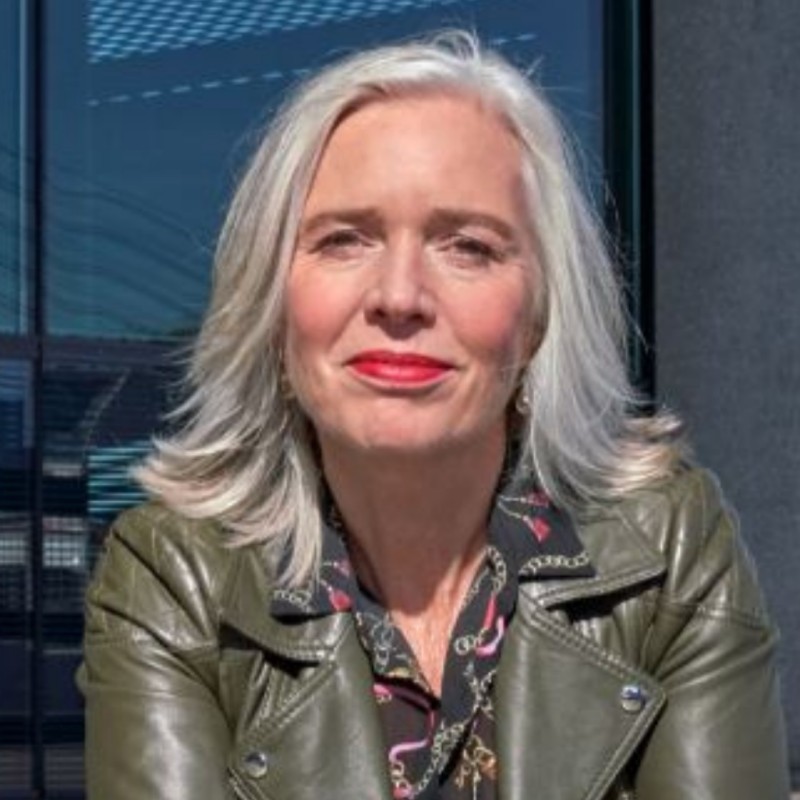

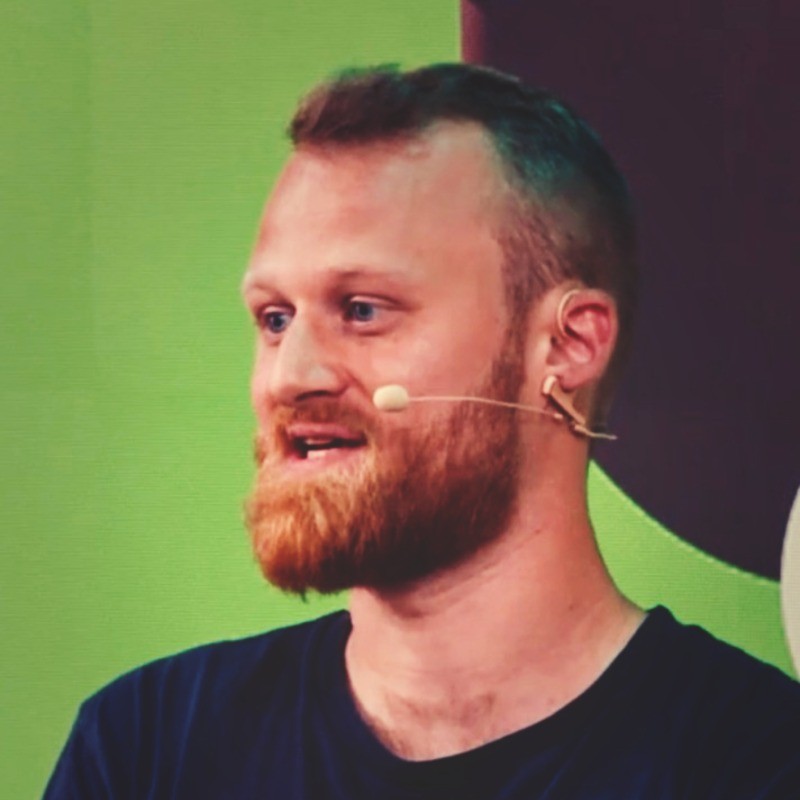
Founders and operators I have worked with.
This is the founder's door. If you back founders instead of being one, there is a door for you too: for investors →