
For AI ventures
Make your AI product sell. Past the demo, into a workflow they trust.
Building is the cheap part now. You can ship something impressive in a weekend. The hard part comes after the demo: one buyer, one job, one outcome they trust enough to deploy and keep paying for. That system is what was never built. I build it, and I build with AI at the core.
Free. A real person reads it, back in a couple of working days. No call.


AI founders I have helped get past the demo and into the deal.
The short version
Why doesn't a great AI demo close the deal?
Because the demo proves the technology, and the enterprise buyer is not buying technology, they are buying safety. The person who loves the demo is rarely the person who signs, and the signer is weighing trust, security, and what happens when the model gets something wrong. A sharper demo can even raise the fear. So the deal gets stuck, not on the model, but on a buying process that is really a risk-management process. Selling AI is making the buyer feel safe enough to deploy it and keep paying, without you in the room. That system is rarely built, and it is what I build.
Sound familiar?
If this is your world, you will know these.
- ✓There is already an "AI guru" on the customer side, quietly building their own version of what you sell.
- ✓They point you at their AI transformation program, and you cannot tell if you are a project inside it or a footnote.
- ✓Nobody can say whether your budget is the AI transformation pot or a real functional line.
- ✓You cannot tell if the win they want is headcount reduction, which is political and uphill, or acceleration, which is an easier yes.
- ✓A competitor you have never heard of shows up this week, on seemingly the same thing.
- ✓What you shipped is old in six months, because everything can be built fast now.
Recognize three of these and it is not the model. The commercial system that turns an impressive demo into a workflow a buyer trusts, and keeps paying for, was never built.
Why it is harder here
Why do AI deals stop moving after the demo?
It looks like a slow, crowded market. It is really a set of traps that come with building on AI, and the last one is where the money leaks.
01
The hard part is choosing, not building
You can point it at almost anything, so the real work is finding and validating the one use case worth committing to. Pick too broad and you sell an "AI platform" to no one.
02
Someone inside is already building their own
Most buyers have an AI guru mid-experiment. You are not selling to a blank page, you are displacing their own project and the pride attached to it.
03
No one can tell you whose budget it is
AI transformation pot or a real functional line? Efficiency and headcount, which is political and uphill, or acceleration, which is an easier yes? Each answer changes who buys and how hard the yes is, and buyers rarely say it out loud.
04 · the one that costs you most
You sold the demo. The value lives in the run.
A first wow impresses the room. Then the account goes cold, because the product never became part of their week, and what you shipped is old in six months anyway. The real question they are asking: if your team stopped watching tomorrow, would they still trust it and use it? Prove that, and you stop competing with every startup that popped up this week.
I know your world
I build with AI at the core, and I have made an AI venture sell.
I built Hurozo, an AI engine that reads a company's homepage the way its buyer would and writes the diagnosis. The free read you can get here is run by it. So I am not learning AI on your time, and I know exactly where these products lose buyers, because I ship them too.
I took an AI dev-tools venture that was selling a far-off, hard-to-prove ROI and repositioned it to the job the product actually does. The value got obvious, and the deals moved.
What I build
Pick one starting point, sell the outcome, prove it belongs in their work.
01
One user, one job, one outcome
One buyer, one painful job, one measurable result, and one place in how they already work. So your homepage qualifies the right people in ten seconds, instead of selling an "AI platform" to everyone.
02
Sell the outcome, not the AI
Homepage, deck, and demo say the same thing, and it is the result you deliver, not the technology you use. So the room hears one story, without you in it.
03
Proof a cautious buyer can act on
Reliability, security, control, and how it sits inside their systems, answered before procurement asks. The evidence the user, the budget owner, and security each need to say yes.
04
A first step that sticks
A low-risk way in, designed so the product becomes part of their week, not a demo they forget. The path from the first wow to a workflow they keep using.
Built for how AI actually gets bought and kept, not a generic playbook. It starts with a free read of your homepage.
From your world
Teams that built a story buyers act on.
You knew our industry and space well enough to bring new insight, not generic consulting. Very specific and quantifiable, not a vague fractional role.
 Nader · Co-founder, Lyrasense
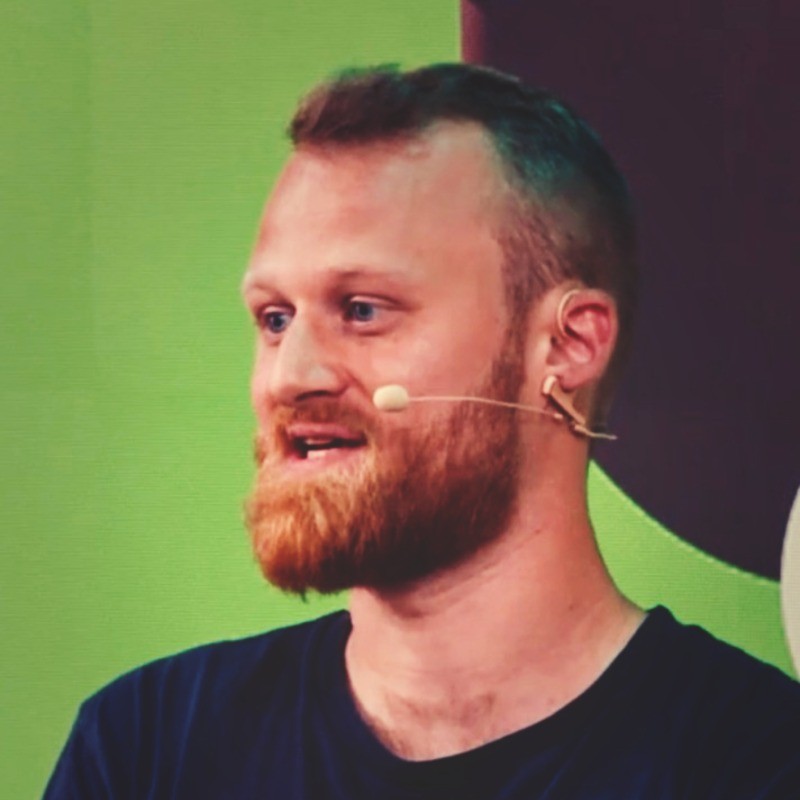
 "Prospects stopped asking 'wait, which problem do you solve?' Calls move faster. We get to yes or no in half the time."
 Pascal F. · Founder & CEO, Senf
 The free read on this site is run by Hurozo, an AI engine I built. I ship AI products, I do not just advise on them, so I know where they win attention and where they lose the deal.
The bench in your world
Who I work with in AI.
You are not just getting me. For AI ventures I work with a small network I trust across the build, the brand, the capital, and the hires, so a founder gets the whole go-to-market covered, with clean handoffs.

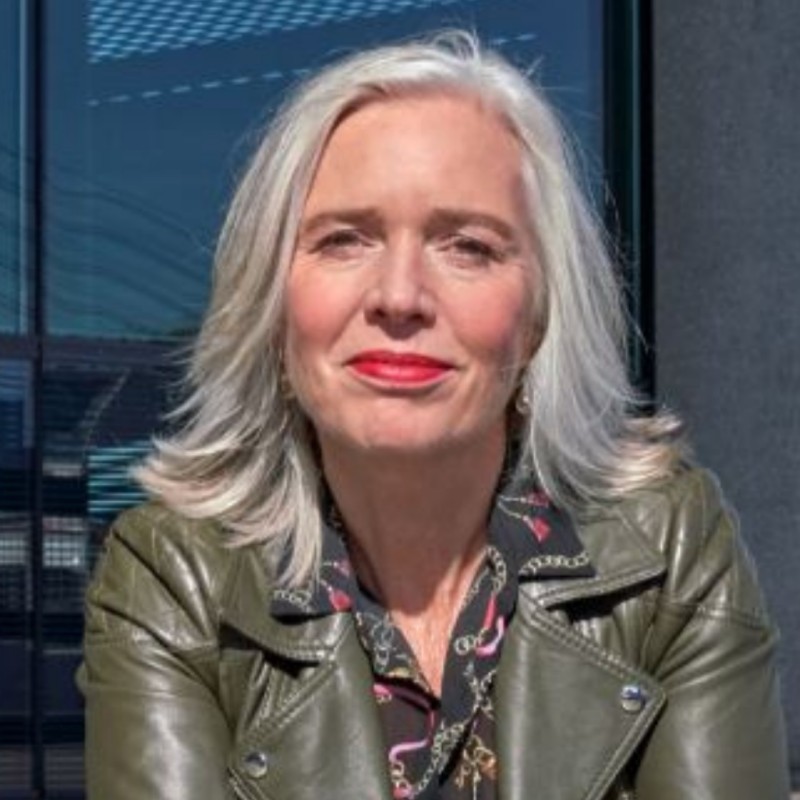
Dennis Vink & Thorsten Lampe
Hurozo
Agentic AI solutions
Hurozo puts the commercial system into software: AI agents that run the work, not just suggest it. Co-built by Dennis and me, it is the engine behind the free read on this site.
Hurozo→
Parul Benien
Bimbaches Ventures
Go-to-market & fundraising for AI and deep-tech
Firepower for AI and deep-tech founders, from first customer to next round: go-to-market, partnerships, and fundraising readiness. An operator, not an advisor.
Bimbaches Ventures→
Radina Galabova
RAD AMS
Fractional Chief Brand Officer
A brand leader for tech founders, with deep work branding AI and Web3 ventures. Brand strategy and storytelling that moves adoption, in a focused two-week sprint.
RAD AMS→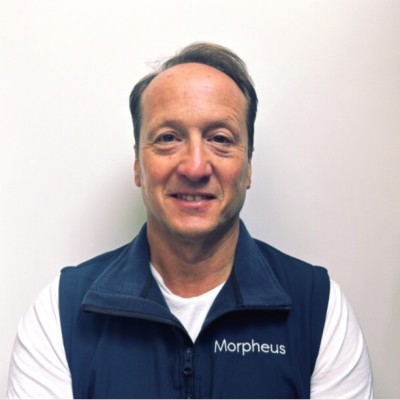
Mike Swetman
Morpheus
AI & technical talent
Places go-to-market and technical hires into startups and scale-ups, with a focus on AI, robotics, and deep tech, so the hires already understand the space.
Morpheus→Questions you're asking
Four fair objections, answered straight.
We could point this at ten use cases. Will you make us pick one?
No. I make you frame one bet clearly enough to test. Then you decide, with eyes open, whether you can and want to run another in parallel. Framing one well usually makes that choice obvious.
Our buyers get stuck on security and trust.
That is the real gate in AI. I build the proof a cautious buyer needs, reliability, control, and how it sits in their systems, into the story and the first step, so it is answered before procurement asks.
We have a demo that wows. Why doesn't it sell?
A demo wins attention, not a budget line. What sells is one outcome a buyer trusts enough to deploy and keep using. I build the path from the wow to the workflow.
We are not even sure of our market yet.
Then the system's first job is to learn fast. Lock one bet to test, keep the others alive only while they show signal, and concentrate the moment one path proves out. Built to search first, then commit.
Start here
Start with a free read.
Send me your homepage. I read it the way your buyer reads it, and send back where it loses them. No call required, and it is the same first step most founders take.
Free. A real person reads it, back in a couple of working days. No call.
AI is at the core. The system underneath is the one I build for any founder.